

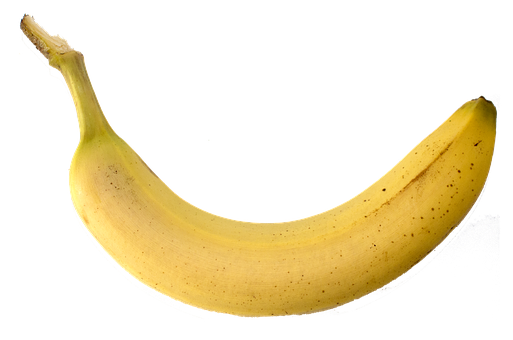
WHO SHOULD AVOID BANANAS?
If you have been diagnosed with candida albicans then it is best to avoid bananas while you work with a health coach to get your candida symptoms under control. Eating a banana is like opening the windows of a house during a fire, it’ll greatly feed the candida. Not only does one banana contain close to 30g of sugar per serving, making it one of the highest sugar fruits there is, but it is also very high in mold content which needs to be avoided at all costs for candida sufferers.
If you have an imbalance in hormones (low thyroid, PCOS, etc.), then bananas should be avoided as well. To get your period back, clear your acne, stop hair loss, and balance your mood and hormone levels, it is wise to keep sugar (as well as dairy and caffeine) out of your diet. But you will also want to take a close look at the other foods and beverages in your diet that might be working against you with your health coach or nutritionist. Bananas will not be the cause of any diagnosis, but taking a break from them (along with other foods) for a short period of time may help with your symptoms.
WILL BANANAS MAKE YOU FAT?
Nope. Bananas will not make you fat. The myth comes from the idea that if you want to lose weight, you need to cut out sugar and bananas are high in sugar. As I always tell my clients, any highly restrictive dieting should only be as a means to an end for symptoms of a diagnosis, never for weight loss and only for 6-8 weeks maximum so as not to bring imbalance to your microbiome by cutting out certain nutrients.
But here is the thing, bananas are also high in fiber, potassium and magnesium. The high fiber content of bananas and the natural mineral relaxer, magnesium, are a natural remedy to ease and prevent constipation. Bananas can also be great for those who suffer from high blood pressure.
What we should worry about is not whether a banana will make us fat, but whether or not a banana is actually a health food. Some people claim that bananas are as close at it comes to a genetically modified food due to the fact that the bananas we eat today are a result of cloning to always grow and look and taste a certain way as well as resist disease. Let me explain first by giving you the cliff notes on their history and how they are grown today.
SO MR. BANANA, HOW DID YOU COME TO BE?
When you do the research on bananas you will find that this fruit has a complicated past. Bananas that we eat today, look totally different from the bananas that we ate 100 years ago. Up until the 1940s, Americans ate a banana varietal by the name of Gros Michel or “Big Mike.” Gros Michels were sweet, creamy, and sturdy. You could throw them in a ship’s cargo hold and they would show up at their destination, perfectly ripe and unbruised. I mean, I used to put a banana in my purse to snack on at work and within 30 minutes of transport it would emerged bruised and browned. Hmph.
ARE WE BANANAS TO EAT BANANAS?
From a nutritional standpoint, bananas are still a cellular food, meaning that they have a low carb density (percent of the food mass that is carbohydrate minus the fiber component). Versus potato chips which are an acelluar food and have a very high carbohydrate density. The carbohydrate density increases as more non-fibrous carbs are packed into a given quantity of food. So even though an author and research such as Koeppel claims that the banana is the same as potato chips he is missing one key fact: nutrients. Bananas are full of fiber, magnesium and potassium.
Here’s to your health,
Dr. Andreia Horta, ND
————
Visit Eclipsa’s Instagram Post (LINK) about Bananas that includes the following great banana brands: Dole, Chiquita and President’s choice Organics.